


Wastewater technology for mechanical and plant engineering
Conventional processes are predominantly used for wastewater treatment in mechanical and plant engineering. Many companies are hardly aware of the potential of modern vacuum evaporators for recirculating process water. However, with increasing regulatory pressure and rising disposal costs, the need for sustainable solutions is growing. Those who are now looking at alternative processes can not only safely comply with environmental regulations, but also reduce operating costs and turn wastewater into a recyclable resource.
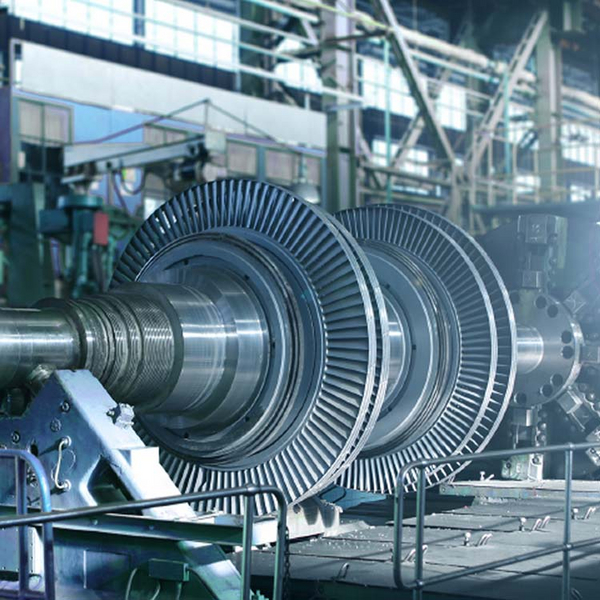
With these processes
our customers take a close look:
- Machining, e.g. drilling, milling, turning
- Die casting incl. post-processing, e.g. deburring, cleaning
- Electroplating processes, e.g. galvanizing, chrome plating
- Active baths and passivation for chemical surface treatment
- Crack testing and cleaning after assembly or production
This results in these typical waste water streams:
- Emulsions with cooling lubricants
- Cooling lubricant rinsing water
- Washing water, rinsing and active baths
- Electroplating, hardening and grinding water
- Rinsing water from crack detection systems
Our goal: maximum water recovery.
This is how we plan your treatment system:
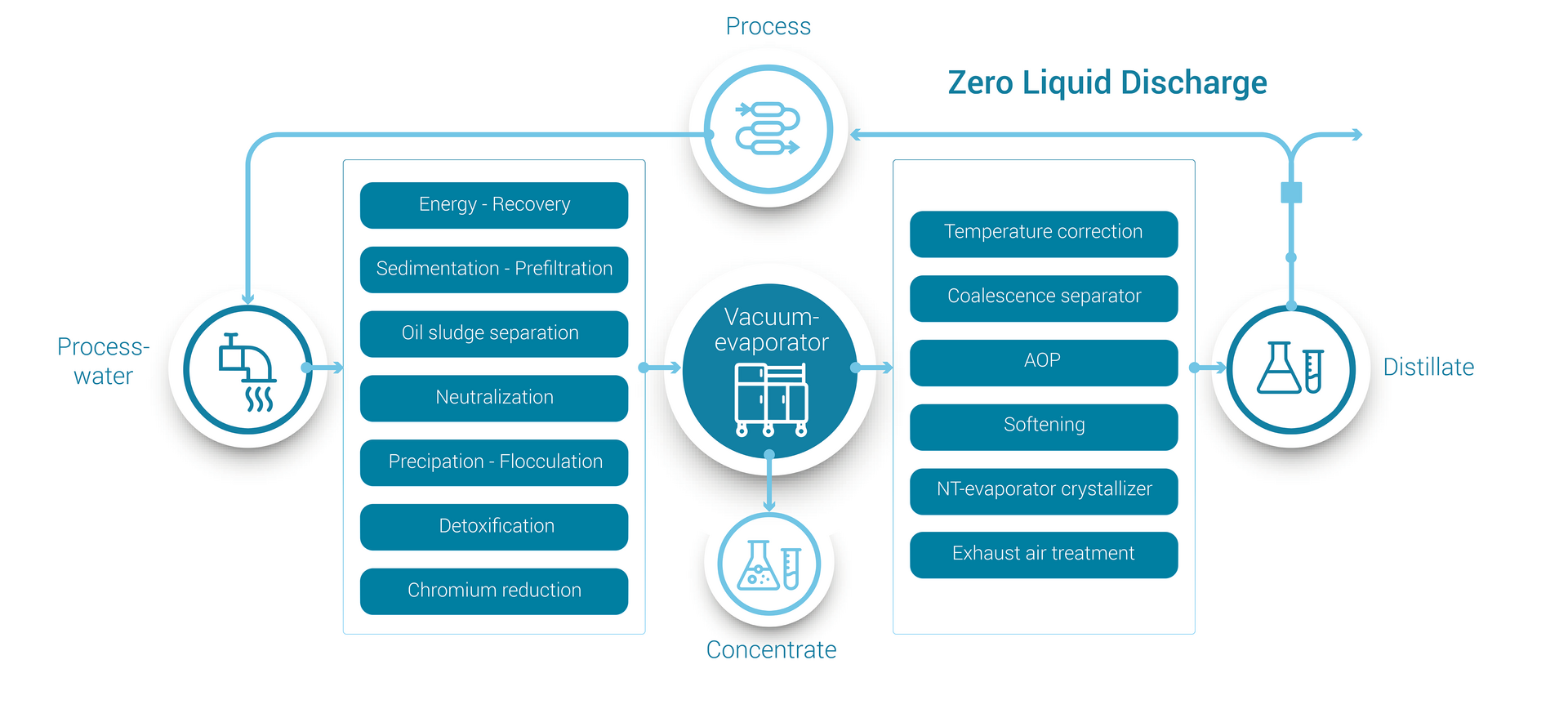
To treat complex wastewater streams so that they can be reused, we at KMU LOFT Cleanwater work according to our own solution principle.
Starting point: Your wastewater
First, we analyze the composition of your wastewater streams. To do this, we draw on your information and our extensive experience from the systems we have implemented. Depending on the complexity and requirements, we take samples and analyze them in our in-house laboratory. If no wastewater is available yet, we draw on our database with thousands of analyzed waters depending on the production processes and industries.
Definition of process chains
We then define the process chain from the inflow of dirty water to the finished distillate and concentrate. Most KMU LOFT Cleanwater systems have several stages of pre- and post-treatment in addition to storage in tanks. The aim is an efficient and safe process. The distillate should be able to be reused or discharged. The concentrate should contain as little residual water as possible and be easy to recycle.
Implementation in plants and systems
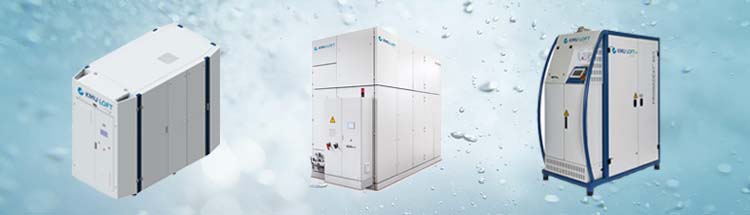
Once the process chain has been established, implementation begins by selecting the right vacuum evaporator and the best systems for pre- and post-processing as well as intermediate storage. The result is an individual offer based on standardized system elements.
KMU LOFT Cleanwater complete solution with vacuum evaporator
Recycling instead of disposal
With the vacuum evaporator technology from KMU LOFT Cleanwater, you can return your wastewater streams to a closed cycle. The purified distillate is of such high quality that it can easily be reused in numerous manufacturing and cleaning processes. For you, this means less disposal work, lower costs for fresh water and energy and a future-proof solution to meet stricter environmental requirements in the long term. Our energy-efficient systems only require an average of 25-80 kWh per cubic meter of wastewater fed in and can be integrated into your existing infrastructure to save space.
Further advantages at a glance:
Maximale Wasserrückgewinnung
Rückgewinnung von bis zu 99 % des eingebrachten Abwassers, wiederverwendbar in der Produktion.
Konstante Destillatqualität
Konstante Destillatqualität auch bei schwankender Abwasserzusammensetzung möglich.
Günstige Entsorgung
Entsorgungsmenge reduziert sich im Vergleich zu anderen Abwasserreinigungsverfahren um ein Vielfaches.
Geringe Energiekosten
Reduzierung der Energie- und Betriebskosten durch effiziente Wärmenutzung und hohen Automatisierungsgrad.
Hohe Anlagenverfügbarkeit
Nur etwa 15 - 30 Minuten Betriebs- und Wartungsaufwand pro Tag und Möglichkeit zur Fernwartung und -optimierung.
Arbeitssicherheit
Prozesssichere Abwasserbehandlung und Arbeitssicherheit unabhängig von chemischen Wissen der Anlagenbediener.
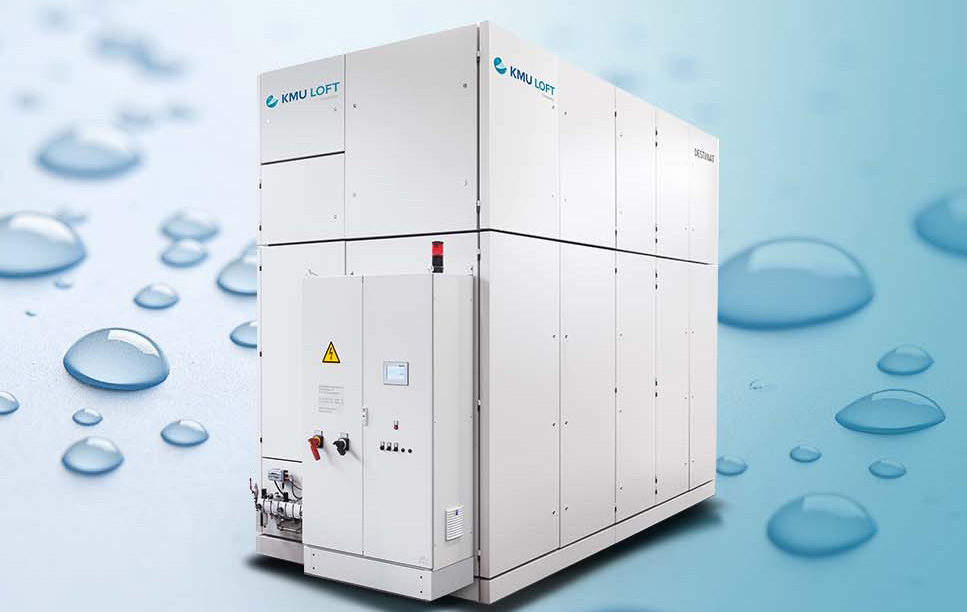
Our answer to (almost) any waste water: the vacuum evaporator
They work almost by themselves, require little space and recover pure distillate even from heavily contaminated wastewater. Our vacuum evaporators with natural or forced circulation have been reliably and safely processing all types of wastewater for decades. MVR evaporation has been proven to be the "best available technology" for numerous industrial applications.
USERREPORT
Toyotaengine production
The Toyota Engine Plant, based in North Wales, manufactures engines using the aluminum casting process. As in all metalworking processes, this casting process generates waste water and rinsing water. In most cases, separating agents must be removed from the waste water to prevent the metal from sticking to the mold.
With the DESTIMAT LE 150 natural circulation evaporator, Toyota reduces waste water and disposal costs almost completely. With cost savings of around EUR 90,000 per year, the high-performance vacuum pump paid for itself after just 1.5 years.
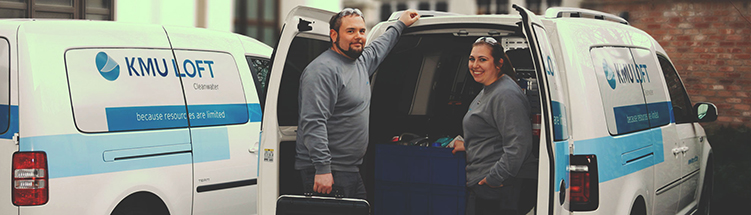
Service for a long system life
Our vacuum evaporators run reliably and trouble-free for years. Many customers only get in touch when something needs to be replaced. However, it pays to look earlier: A regular check of the system parameters in conjunction with the current wastewater flows helps to significantly extend the service life of your system. We can also detect numerous faults and make adjustments via remote maintenance without restricting system availability.